

Exploring cultural perceptions of luck in gambling around the world
The Role of Luck in Gambling Traditions
Luck plays a central role in the cultural fabric of gambling traditions worldwide. In many societies, luck is personified through deities or symbols that represent fortune. For instance, in Chinese culture, the concept of luck is deeply intertwined with the idea of Feng Shui, where the placement of objects can influence one’s fate. Such beliefs are evident during traditional celebrations like the Lunar New Year, where people engage in gambling activities to attract good fortune for the coming year. Players can easily access more information on this topic through https://vegastarscasino-australia.co/app/.
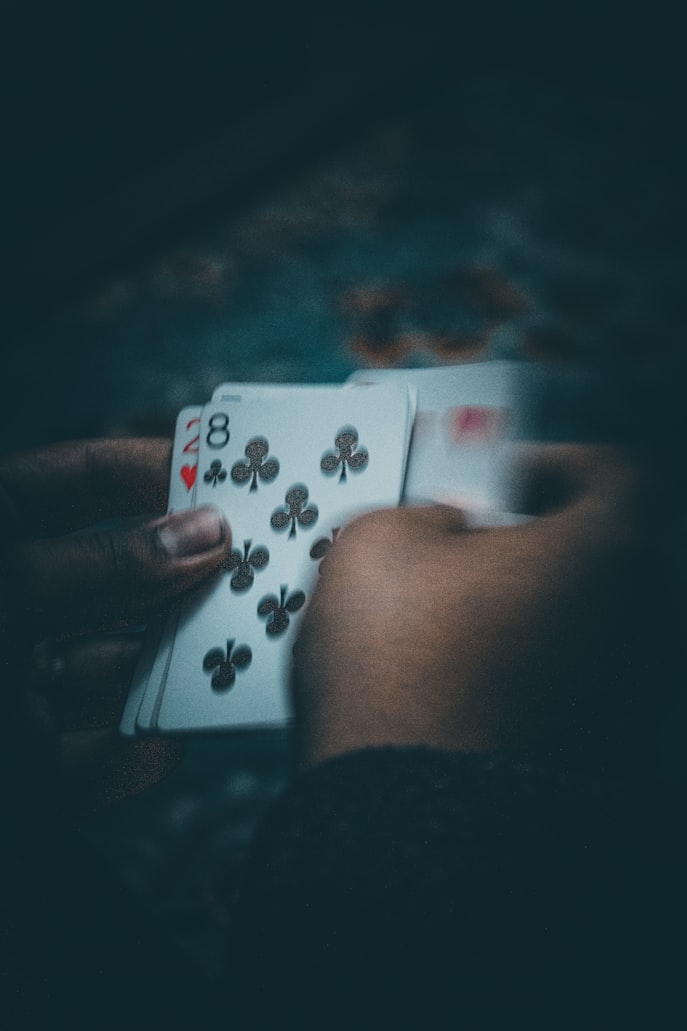
In contrast, Western cultures often view luck more as a random chance. The concept of luck is frequently tied to superstitions, such as carrying a lucky charm or performing rituals before placing a bet. For example, in the United States, many gamblers believe that wearing a specific piece of clothing or performing a particular action can bring them luck, especially when it comes to high-stakes games like poker or blackjack. These diverse interpretations highlight the variance in how luck is perceived globally.
The differences in luck-related beliefs also influence gambling behaviors. In cultures that emphasize luck as an external force, gamblers may rely heavily on fate, while in cultures that view luck as self-generated, individuals may adopt strategic methods to increase their chances of winning. This distinction shapes not only gambling practices but also social interactions within these contexts, creating unique atmospheres around gaming establishments.
Cultural Superstitions and Their Impact on Gambling
Superstitions surrounding luck in gambling can drastically influence a player’s approach and mindset. In many cultures, certain numbers are believed to bring good luck or bad luck, affecting choices in games such as lotteries and roulette. In Italy, the number 17 is considered unlucky, leading players to avoid it at all costs. Conversely, the number 7 is often seen as a harbinger of good fortune in many Western cultures, prompting gamblers to seek it out in games and bets.
These superstitions extend beyond mere numbers to encompass specific behaviors and rituals. For example, in some African cultures, it is customary to offer prayers or make sacrifices before engaging in gambling to ensure favorable outcomes. In other regions, rituals may involve lighting candles, wearing specific colors, or even engaging in chants. Such practices not only bolster the gambler’s confidence but also create a collective identity among players who share similar beliefs.
Additionally, the impact of cultural superstitions manifests in the way gaming venues are designed and operated. Casinos in certain regions may cater to these beliefs by creating environments that evoke feelings of luck and prosperity. From the color schemes and symbols to the arrangement of games, these establishments aim to enhance the sense of fortune for their patrons, making it a crucial aspect of their marketing strategy.
Modern Gambling and the Influence of Technology
In today’s digital age, the intersection of technology and gambling has transformed traditional perceptions of luck. Online casinos and mobile gaming platforms have introduced new dynamics, allowing players to engage with games that incorporate elements of skill and strategy alongside chance. This blending of factors has sparked debate over the role of luck versus skill in determining outcomes, with some arguing that technology diminishes the randomness of gambling.
Furthermore, the accessibility of gambling through apps and websites has democratized the experience, allowing individuals from various cultural backgrounds to engage with different games and their associated beliefs about luck. Players can now experience diverse cultural approaches to luck without geographical constraints, creating a rich tapestry of gambling experiences globally. This new reality encourages exchanges of cultural practices, beliefs, and superstitions among gamblers.
Despite these advancements, the essence of luck remains a potent force in online gambling environments. Gamblers often turn to familiar rituals or symbols as they navigate these digital spaces, seeking comfort in what they perceive as lucky strategies. This behavior illustrates how deeply ingrained cultural perceptions of luck continue to influence gambling, even in modern contexts where the influence of technology is profound.
The Psychology of Luck in Gambling
The psychology of luck plays a significant role in how individuals approach gambling, shaping their strategies and emotional responses. Gamblers often experience a phenomenon known as the ‘illusion of control,’ where they believe they can influence outcomes through specific actions or decisions. This belief can lead to the adoption of certain rituals that make them feel luckier, even if those actions have no actual impact on the game’s outcome.
Research has shown that individuals who attribute their gambling successes to luck tend to gamble more frequently, viewing each session as a potential opportunity for good fortune. This can create a cycle of behavior where individuals chase their losses, encouraged by the belief that luck will eventually swing in their favor. Such psychological factors highlight the delicate balance between luck and strategy, where a strong belief in luck can overshadow rational decision-making.
Moreover, the emotional highs and lows associated with gambling can further complicate a player’s perception of luck. Winning can amplify the belief in one’s lucky charm or ritual, while losing can lead to feelings of frustration and the need to find new ways to attract luck. This emotional investment in luck can cloud judgment and lead to gambling behaviors that may not align with responsible gaming practices, showcasing the profound psychological impact of perceived luck in gambling.

VegaStars Casino: Merging Culture and Luck in Online Gaming
VegaStars Casino stands as a prime example of how cultural perceptions of luck can be seamlessly integrated into the online gambling experience. Tailored specifically for Australian players, this platform blends traditional gaming practices with modern technology, offering an extensive range of games that appeal to diverse cultural backgrounds. The casino’s design incorporates elements believed to foster good fortune, enhancing the overall experience for users.
Furthermore, VegaStars prioritizes user engagement through promotions and features that cater to the cultural significance of luck. By leveraging real-time customer support and accessible payment options, the platform ensures players feel supported as they navigate their gambling journeys. The casino experience is designed to resonate with players’ beliefs about luck, whether through personalized promotions or game selections that align with cultural preferences.
As global gambling trends continue to evolve, VegaStars Casino positions itself as a leader in recognizing and celebrating the diverse cultural perceptions of luck. By providing an immersive mobile gaming experience that reflects the values and beliefs of its players, VegaStars showcases how modern gaming can honor traditional concepts of luck while embracing the future of gambling technology.