

The hidden psychological effects of gambling understanding the mind's gamble
The Thrill of Risk and Reward
The psychology of gambling is deeply intertwined with the thrill of risk and reward. This interplay often triggers the brain’s pleasure centers, creating an exhilarating sensation that can be both addictive and compelling. Players are drawn to the excitement of potentially winning, which can overshadow the inherent risks involved. This phenomenon is partly due to dopamine, a neurotransmitter that reinforces behaviors associated with pleasure, making the act of gambling feel rewarding even in the face of losses. As you explore your options, consider checking out new online casinos nz that cater to Kiwi players.

As individuals engage in gambling, they often experience a rush of adrenaline. This heightened state of arousal can lead to an altered perception of time and reality, causing gamblers to lose track of their losses or spend more than they initially planned. The emotional highs from occasional wins can create a false sense of security, leading players to believe they can consistently beat the odds, which fuels continued participation.
The Illusion of Control
One of the most significant psychological effects of gambling is the illusion of control. Gamblers often believe that they can influence the outcome of a game through skill or strategy, even in games that are purely based on chance. This cognitive distortion leads players to engage in behaviors like superstition, where they may attribute their losses or wins to personal rituals or lucky charms.
This illusion can be incredibly misleading and contributes to persistent gambling behavior. When individuals believe they have control over the outcome, they are less likely to recognize the random nature of games, which can lead to compulsive gambling. The desire to regain control after a loss can push players to wager even more, perpetuating a cycle of risk and emotional turmoil.
Social Influences and Identity
The social context surrounding gambling can significantly affect an individual’s psychological experience. For many, gambling is a communal activity, often associated with socializing in casinos or online platforms. This social aspect can enhance the emotional highs and lows associated with gambling, as shared experiences amplify feelings of excitement and loss.
Moreover, identity plays a crucial role in gambling behavior. Many individuals define themselves through their gambling experiences, which can lead to a strong attachment to their gambling persona. This identity reinforcement may result in justifying unhealthy gambling habits, as players may feel pressured to maintain their status within their social circles, further complicating their relationship with gambling.
The Downward Spiral of Addiction
The psychological effects of gambling can lead to addiction, a serious concern for many players. As gambling becomes a primary source of emotional fulfillment, it can overshadow other aspects of life, including relationships, work, and mental health. Individuals may find themselves trapped in a cycle where the need to gamble overrides their ability to make rational decisions.
This addiction can manifest in various ways, including financial distress, isolation, and mental health issues such as anxiety and depression. The repercussions of gambling addiction extend beyond the individual, affecting families and communities. Understanding these psychological effects is essential for promoting responsible gambling practices and offering support to those in need.
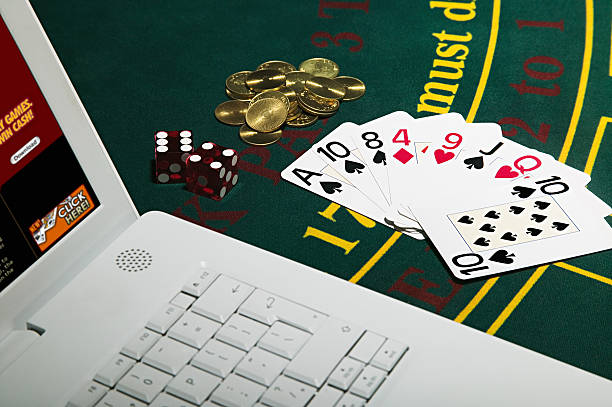
Your Resource for Understanding Gambling Psychology
For those seeking to delve deeper into the psychological dimensions of gambling, our website offers a wealth of resources tailored to educate and inform. We aim to demystify the complexities surrounding gambling behaviors, providing insights into both the risks and rewards associated with this activity. Through expert reviews, articles, and support resources, we empower individuals to make informed choices regarding gambling.
Whether you are a casual player or someone grappling with gambling issues, our platform encourages understanding and awareness. Together, we can foster a safer gambling environment that prioritizes mental well-being and responsible gaming practices.